

What a Hospital in Fort Qu'Appelle Taught Me About Healing
Master of Health Administration student Rayan Chakraborty reflects on a visit to All Nations Healing Hospital and the lessons it offers about Indigenous-led healthcare, self-determination, and healing.
By Rayan ChakrabortyDuring the Johnson Shoyama Graduate School of Public Policy's Master of Health Administration (MHA) Fall Residency, students explored Indigenous-governed, Indigenous-led, Indigenous-designed, and Indigenous-staffed models of care. A visit to All Nations Healing Hospital in Fort Qu'Appelle offered a firsthand look at how Indigenous and Western approaches to healthcare can work together to support patients, families, and communities.
In the reflection below, MHA student Rayan Chakraborty shares what he learned from the experience and how it shaped his understanding of healing, leadership, and healthcare system transformation.
As part of our learning journey in the master’s program, I had the opportunity to visit the All Nations Healing Hospital (ANHH) in Fort Qu'Appelle, on Treaty 4 territory.
ANHH is a place where traditional Indigenous healing and Western medicine are offered under the same roof. What struck me right away was that they aren't competing. They work side by side. Someone can see a cultural practitioner, a physician, or both, and the choice is theirs. That's what self-determination looks like in practice: people are informed about their options and can choose the care that fits their needs, values, and beliefs.
Where it comes from
ANHH is owned and operated by the File Hills Qu'Appelle Tribal Council and the Touchwood Agency Tribal Council. It replaced the former Fort Qu'Appelle Indian Hospital, which was built to treat First Nations people with tuberculosis. In 2024 it marked 20 years of operation. Knowing that history made everything else I saw more meaningful.
In the entrance, the strategy map describes an aspiration to be a globally recognized model for harmonizing Indigenous and Western health care. Next to it, a display on the Treaty Right to Health says the promises made were meant to last for generations, "born and unborn." After a day there, the vision on the wall felt like a description of how the place runs.
What stayed with me
As I toured the hospital, I was struck by how the spirit of place was reflected throughout the building. The use of wood and timber, along with the pillars and other natural elements, continually drew my attention. The circle symbolized interconnectedness, unity, and the cyclical nature of life, while the rock and stone represented grounding, stability, permanence, and ancestral endurance. The colors and lighting evoked the symbolism of fire, reflecting warmth, life, spiritual renewal, and community. These elements were thoughtfully woven throughout the hospital, creating a strong sense of belonging, culture, and healing that stayed with me throughout the tour.
Collaboration is built into the work. Cultural practitioners are part of the care team. Patients can talk with them, and they work alongside physicians. It is not "this or that."
Traditional medicines are taken seriously. There are protocols for how they are dispensed, how they are recorded in the medication system, and how they are explained to patients. As one person put it, there are no secrets.
Culture has a place in the building. The cultural room sits at the centre of how patient care is designed. It's open to patients, staff, and community, available for debriefs after difficult events, and supports smudging.
Data belongs to the community. ANHH has a data sharing agreement with the Saskatchewan Health Authority, and transparency about how health data is used is a priority.
Communities lead. ANHH and the File Hills Qu'Appelle Tribal Council worked with the University of Saskatchewan on a community-directed needs assessment for rehabilitation therapy. People shared stories about travel distance, long waits, racism, and they asked for local services connected to culture. When communities set the direction, the solutions fit.
The workforce matters. Indigenous staff make up a considerable part of the team, and there's deliberate work on education pathways so that number can grow. The same goes for women's health, where they've expanded midwifery and are building partnerships to train more midwives who come from and return to their communities.
What I'm taking with me
Integration does not happen by accident. At ANHH it's designed into the space, policies, record-keeping, and funding conversations. It also runs on trust, and trust comes from transparency and years of relationships.
Through my own lens
ANHH inspired and encouraged me. As I look at the opportunities in my own work, in my organization, and among the people I connect with, this visit reminded me what's possible when a group of people stays committed to a vision.
None of what I saw happened easily. Behind the cultural room, the care teams, and the partnerships are years of hard days and tough change. It was built through funding arrangements, data agreements, and ongoing advocacy across federal and provincial systems. In other words, people worked their way through political, administrative, and legislative pathways, and they built shared pathways with others along the way.
I believe sharing stories and memories like these matters. They remind us that change is possible and that other people are walking the same road. To every health leader reading this:
- Hold strong to your beliefs, especially on the hard days and when change feels slow.
- Stay grounded in the people you serve and care for. They are the reason for the work.
- Keep strengthening your teams so the next generation inherits something better than what we started with.
Thank you to the team at All Nations Healing Hospital, and to Gail Boehme, Executive Director of ANHH and FHQ Health Services, for your generosity and openness, and for sharing your knowledge and time with us. Gail's commitment to improving healthcare outcomes extends beyond the hospital walls. She actively collaborates with local leaders, community organizations, and government agencies to address health disparities and implement holistic solutions. Her dedication to promoting health equity and culturally relevant care has made her a respected figure in the field of healthcare.
Most importantly, thank you to Dan Florizone, Executive-in-Residence at the Johnson Shoyama Graduate School of Public Policy, for opening the door to this unforgettable experience.
About the author
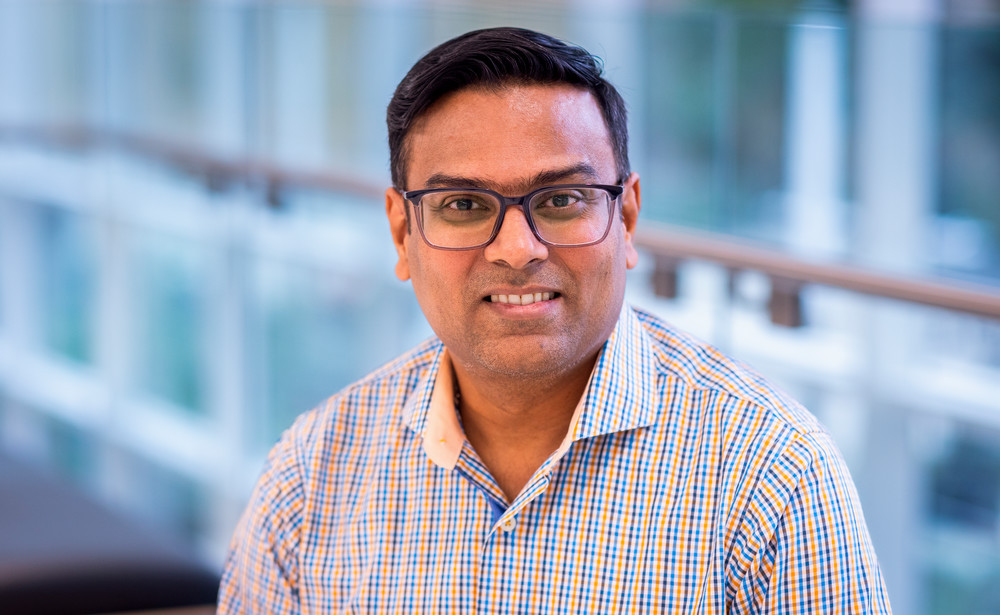
Rayan Chakraborty is a healthcare leader and lifelong learner whose professional journey began in hospitality management and evolved into a passion for healthcare leadership. Drawing on a foundation in service excellence, operations, and people-centered leadership, he has spent more than a decade working within the healthcare system, supporting teams, improving services, and advancing organizational excellence.
Rayan holds a Bachelor of Hospitality Administration and Management and a Bachelor of Business Administration from the Northern Alberta Institute of Technology (NAIT). He is currently pursuing a Master of Health Administration at Johnson Shoyama Graduate School of Public Policy, with studies focused on healthcare leadership, health informatics, performance measurement, and health system improvement.
His interests include cultural safety, innovation, leadership development, and building healthcare systems that better serve patients, families, and communities. The reflections shared in this article are part of his ongoing commitment to learning from diverse perspectives and contributing to more inclusive and patient-centered healthcare.